


Rest and Rehabilitation for Wrist Extensor Tendonitis: A Complete Guide
January 22, 2025
When to See a Golfer’s Elbow Specialist: Recognizing the Signs and Seeking Professional Help
February 6, 2025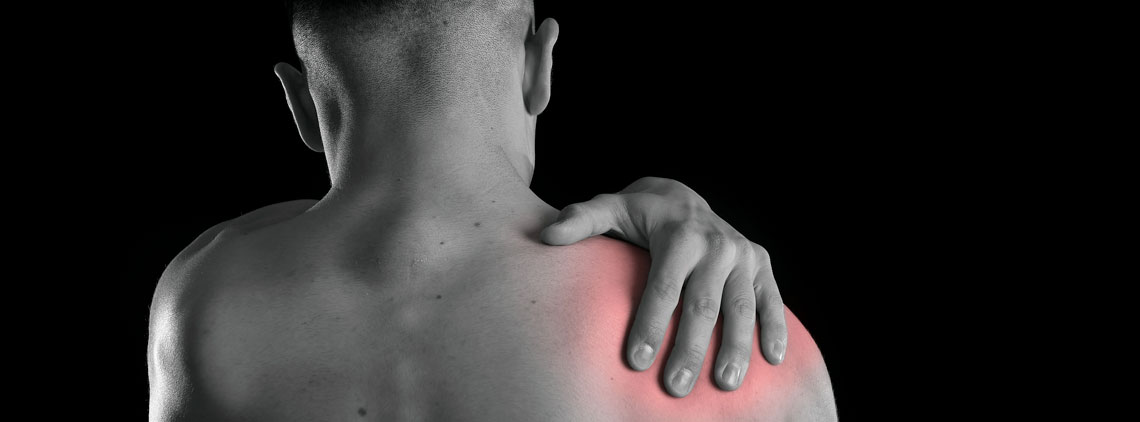
Living with Shoulder Pain
Living with shoulder pain can make simple daily activities feel difficult. Whether it’s reaching for a coffee mug or getting dressed, discomfort in your shoulder affects every part of your life. It becomes hard to move freely and do things you usually do, which impacts both your work and overall well-being.
Finding effective treatment options is crucial for anyone experiencing shoulder pain or mobility issues. At Orlando Hand Surgery Associates, we understand the frustration and limitations that shoulder problems can create. Our comprehensive approach combines traditional treatments with advanced therapeutic techniques to address various shoulder conditions.
This guide explores multiple treatment pathways available for shoulder pain relief and mobility improvement:
- Non-invasive approaches for mild to moderate conditions
- Advanced therapeutic options for complex cases
- Surgical interventions when conservative treatments aren’t sufficient
- Lifestyle modifications to support long-term shoulder health
You’ll discover how these shoulder treatment options can be tailored to your specific condition, helping you regain function and return to your daily activities pain-free.
Understanding Shoulder Pain
Shoulder pain can have many causes, each making it difficult for you to go about your daily activities. The complex structure of your shoulder joint makes it vulnerable to various injuries and conditions.
Common Causes of Shoulder Pain:
1. Acute Injuries
- Sports-Related Trauma: Common in athletes due to high-impact sports or repetitive overhead motions like in tennis, baseball, or swimming.
- Falls or Accidents: A fall on an outstretched hand or direct trauma from accidents can result in fractures, dislocations, or soft tissue injuries.
- Sudden Lifting Movements: Incorrect lifting or overexertion during physical activities can strain the muscles or ligaments of the shoulder.
- Direct Impact to the Shoulder Area: Collisions or falls that directly impact the shoulder can lead to bruising, fractures, or damage to internal structures like the rotator cuff.
2. Degenerative Conditions
- Osteoarthritis: The wear and tear of cartilage over time can cause pain, stiffness, and limited mobility, often worsening with age.
- Rheumatoid Arthritis: An autoimmune disorder that causes joint inflammation, leading to pain, swelling, and progressive damage to the shoulder joint.
- Age-Related Wear and Tear: Over time, the wear of tissues like tendons and cartilage reduces the shoulder’s range of motion and increases discomfort.
- Bone Spurs: Growths that develop on bones due to joint instability or arthritis can lead to pain and difficulty moving the shoulder.
3. Soft Tissue Problems
- Tendinitis: Inflammation of the tendons, commonly in the rotator cuff, can cause pain and weakness.
- Bursitis: Inflammation of the bursa, which cushions the shoulder joint, leads to pain and swelling, often aggravated by movement.
- Muscle Strains: Overuse or improper movement can strain muscles, leading to pain, stiffness, and difficulty in using the shoulder.
- Ligament Sprains: Stretching or tearing of the ligaments connecting the shoulder bones can result from trauma or improper movement.
Key Shoulder Conditions and Their Effects:
1. Rotator Cuff Tears
- Weakness in Arm Movement: Difficulty lifting or rotating the arm, especially overhead, due to weakened or torn tendons.
- Pain During Sleep: Nighttime discomfort, especially when lying on the affected shoulder, making it difficult to sleep.
- Difficulty Raising Your Arm: Limited ability to lift the arm or perform overhead motions, making daily activities like dressing or reaching for items difficult.
- Reduced Range of Motion: A noticeable decrease in flexibility, causing difficulty performing regular tasks like combing hair or reaching behind the back.
2. Frozen Shoulder
- Progressive Stiffness: Gradual loss of shoulder mobility, leading to difficulty with even basic movements.
- Limited Shoulder Movement: Inability to move the shoulder freely, which can severely limit daily function and even routine tasks.
- Pain that Worsens at Night: Persistent shoulder pain that becomes more intense at night, disturbing sleep.
- Restricted Daily Activities: Difficulty performing actions like dressing, reaching overhead, or driving due to limited shoulder function.
3. Shoulder Impingement
- Pain When Lifting Arms: Sharp or aching pain when raising the arm overhead, often due to pressure on tendons or bursae.
- Weakness in Shoulder Muscles: Decreased strength in the shoulder, especially during activities that require lifting or holding weight.
- Difficulty Reaching Behind Your Back: Limited motion when trying to reach behind the back, often leading to difficulty dressing or bathing.
- Discomfort During Overhead Activities: Activities like swimming, throwing, or even lifting weights can become increasingly painful due to the compression in the shoulder joint.
The symptoms you feel can vary depending on the specific condition affecting your shoulder. Pain patterns might range from sharp, intense sensations to dull, persistent aches. Some conditions cause immediate disability, while others develop gradually over time.
These conditions can significantly affect how well your shoulder moves. Simple actions like washing your hair, reaching for objects on high shelves, or playing sports become difficult. This can have a big impact on your quality of life, affecting both your work performance and recreational activities.
Non-Invasive Treatment Options
Non-invasive treatments are the first choice for treating shoulder pain. They provide effective relief without the need for surgery. These methods focus on natural healing and strengthening techniques to restore shoulder function.
1. Physical Therapy
Physical therapy is a key part of shoulder rehabilitation. It combines specific exercises with hands-on techniques to reduce pain and improve movement. Your physical therapist will create a personalized program that addresses your specific condition and goals.
Key Benefits of Physical Therapy:
- Pain reduction through controlled movement
- Improved range of motion and flexibility
- Enhanced shoulder strength and stability
- Prevention of future injuries
- Faster recovery from acute conditions
Common Physical Therapy Techniques:
- Range of Motion Exercises: Pendulum swings, wall climbs, shoulder rolls, cross-body reaches
- Strengthening Exercises: Resistance band workouts, isometric exercises, scapular stabilization drills, rotator cuff strengthening
- Manual Therapy: Joint mobilization, soft tissue massage, stretching techniques, myofascial release
Your physical therapy sessions usually involve a combination of hands-on treatment and guided exercises. The therapist will track your progress, make adjustments as necessary, and teach you proper form to maximize benefits. Many patients notice significant improvement within 6-8 weeks of regular therapy.
Home Exercise Program:
- Customized exercises for daily practice
- Proper posture education
- Activity modification guidance
- Ice/heat therapy recommendations
The success of physical therapy depends on your active involvement and consistency. Your therapist will provide clear instructions for home exercises to ensure you continue making progress between sessions.
2. Shoulder Injections
Shoulder injections are a powerful non-invasive treatment option for managing shoulder pain and inflammation. These targeted treatments deliver medication directly to the affected area, providing relief when other conservative methods haven’t achieved desired results.
Common Types of Shoulder Injections:
- Corticosteroid Injections: Reduce inflammation in the joint and provide pain relief lasting several months. Effective for conditions like frozen shoulder and rotator cuff tendinitis.
- Hyaluronic Acid Injections: Add lubrication to the joint and help improve shoulder mobility. Particularly beneficial for arthritis-related pain.
- Local Anesthetic Injections: Offer immediate pain relief, help diagnose the source of pain, and are often combined with corticosteroids.
When to Consider Shoulder Injections:
- Persistent pain despite physical therapy
- Limited shoulder function affecting daily activities
- Need for pain relief to participate in rehabilitation
- Shoulder pain lasting longer than 4-6 weeks
- Inflammation that restricts range of motion
Your doctor might recommend shoulder injections if you experience acute pain flares or need temporary relief while pursuing other treatment options. The procedure is performed in-office under local anesthesia, with ultrasound guidance ensuring precise medication delivery to the target area.
Advanced Treatment Options for Severe Cases
When conservative treatments don’t provide sufficient relief, advanced therapeutic options can offer hope for severe shoulder conditions. These sophisticated approaches leverage cutting-edge medical technology to address complex shoulder issues.
1. PRP Therapy
Platelet-Rich Plasma (PRP) therapy represents a breakthrough in regenerative medicine for shoulder treatment. This innovative procedure uses your body’s natural healing mechanisms to repair damaged tissue.
How PRP Works:
- Your blood is drawn and processed to concentrate platelets
- These platelets contain growth factors that stimulate healing
- The concentrated solution is injected into the affected shoulder area
- Natural healing processes are accelerated at the cellular level
Benefits of PRP Treatment:
- Reduces inflammation naturally
- Promotes tissue regeneration
- Minimizes recovery time
- Lowers risk of adverse reactions
Research indicates PRP therapy can be particularly effective when combined with physical therapy and proper rehabilitation protocols. The treatment typically requires multiple sessions spaced several weeks apart for optimal results.
Candidates for PRP therapy include patients with:
- Chronic shoulder pain resistant to conventional treatment
- Partial rotator cuff tears
- Shoulder tendinitis
- Early-stage arthritis
The procedure is performed on an outpatient basis under ultrasound guidance to ensure precise placement of the PRP solution.
2. Surgical Interventions
Surgical intervention becomes necessary when conservative treatments fail to provide adequate relief from severe shoulder conditions. At Orlando Hand Surgery Associates, we offer several specialized surgical procedures tailored to specific shoulder conditions:
- Shoulder Arthroscopy: Minimally invasive procedure using small incisions, camera-guided precision for detailed joint visualization, ideal for repairing rotator cuff tears, treats shoulder impingement and removes bone spurs.
- Total Shoulder Replacement: Recommended for severe arthritis cases, replaces damaged joint surfaces with prosthetic components, restores natural shoulder movement, significant pain relief and improved function.
- Reverse Total Shoulder Replacement: Specifically designed for rotator cuff tear arthropathy, switches the position of ball and socket joint, enables deltoid muscle to power arm movement, effective solution for complex shoulder conditions.
Your surgeon will determine the most appropriate surgical approach based on:
- Age and activity level
- Severity of shoulder damage
- Previous treatment responses
- Overall health condition
- Recovery goals
Post-surgical rehabilitation plays a crucial role in achieving optimal outcomes. Physical therapy typically begins within the first few weeks after surgery, progressing from gentle range-of-motion exercises to strength training as healing advances.
Lifestyle Changes and Preventative Strategies
Making intentional changes to your everyday routine is essential for managing shoulder pain and preventing future injuries. To take control of your shoulder health, it’s important to understand how your activities affect your shoulder joints and to put protective measures in place.
Adjustments to Daily Activities
- Position computer screens at eye level to reduce neck and shoulder strain
- Use ergonomic office equipment designed to support proper posture
- Take regular breaks during repetitive tasks to prevent overuse
- Lift objects close to your body with proper form
- Ask for help with heavy items or overhead activities
Modifications in the Workplace
- Adjust desk and chair height to maintain neutral shoulder positions
- Use telephone headsets instead of cradling phones between shoulder and ear
- Rearrange frequently used items within easy reach
- Install anti-fatigue mats in areas requiring prolonged standing
Adaptations in Sleep Position
- Sleep on your back with a small pillow supporting your affected shoulder
- Use cervical pillows designed to maintain proper neck alignment
- Avoid sleeping on the injured shoulder
- Place a pillow under your arm while side sleeping
Considerations for Exercise
- Warm up properly before any physical activity
- Modify workout routines to avoid aggravating movements
- Reduce weights and repetitions during shoulder exercises
- Focus on proper form rather than intensity
Strategies for Daily Living
- Use step stools instead of reaching overhead
- Slide heavy objects rather than lifting them
- Break larger tasks into smaller, manageable portions
- Keep frequently used items at waist level
- Consider adaptive tools for challenging tasks
These lifestyle changes are crucial for maintaining long-term shoulder health and work in conjunction with other treatment methods. By gradually implementing these adjustments, you allow your body to adapt while still being able to carry out your daily activities.
2. Alternative Therapies
Alternative therapies can provide significant relief for shoulder pain when integrated into your treatment plan. These complementary approaches target pain management and mobility improvement through different mechanisms than traditional medical treatments.
Acupuncture
- Stimulates specific points on the body to reduce pain
- Helps increase blood flow to affected areas
- Can decrease inflammation in shoulder joints
- Particularly effective for chronic shoulder conditions
Chiropractic Care
- Focuses on spinal alignment to improve shoulder function
- Uses targeted adjustments to reduce nerve compression
- Incorporates soft tissue manipulation techniques
- Addresses postural issues affecting shoulder health
Massage Therapy
- Reduces muscle tension around the shoulder joint
- Improves circulation to promote healing
- Helps break down scar tissue
- Enhances range of motion through soft tissue work
Mind-Body Practices
- Yoga poses adapted for shoulder conditions
- Tai Chi movements for gentle shoulder mobilization
- Mindfulness techniques for pain management
- Breathing exercises to reduce tension
These alternative approaches can work alongside conventional treatments to enhance your recovery. Many patients report improved outcomes when combining multiple therapeutic methods under professional guidance.
Conclusion
Finding an effective approach to treating shoulder pain requires a personalized strategy tailored to your specific condition and needs. The path to recovery starts with a professional evaluation by experienced specialists who can accurately diagnose your condition and create a comprehensive treatment plan.
Your journey toward improved shoulder health might include:
- Non-invasive treatments like physical therapy
- Therapeutic injections for pain management
- Advanced options such as PRP therapy
- Surgical interventions when necessary
- Alternative therapies and lifestyle modifications
The specialists at Orlando Hand Surgery Associates understand that each patient’s experience with shoulder pain is unique. They combine state-of-the-art technology with patient-centered care to deliver optimal results. Don’t let shoulder pain limit your daily activities – take the first step toward recovery by scheduling a consultation with a qualified shoulder specialist.
Ready to find relief from your shoulder pain?
Contact Orlando Hand Surgery Associates today to explore your treatment options and start your path to improved mobility and function.
FAQs (Frequently Asked Questions)
How does physical therapy help with shoulder rehabilitation?
hysical therapy plays a crucial role in shoulder rehabilitation by reducing pain and improving function. It typically involves specific exercises tailored to strengthen the shoulder muscles and enhance mobility.
What types of injections are used for managing shoulder pain?
houlder injections, such as corticosteroid injections, are used to manage pain and inflammation. They can be an effective part of a comprehensive treatment plan for individuals experiencing severe discomfort.
What is PRP therapy and how does it benefit the shoulder?
PRP (Platelet-Rich Plasma) therapy promotes healing in the shoulder joint by using components derived from your own blood. It has shown positive outcomes for conditions like rotator cuff tears.
When should surgical interventions be considered for shoulder issues?
Surgical interventions may be considered when non-invasive methods are insufficient to address complex shoulder problems. Common procedures include arthroscopy and rotator cuff repair.
What lifestyle modifications can support shoulder health?
Lifestyle modifications such as activity modification to prevent injury and exploring alternative therapies like acupuncture or chiropractic care can help maintain long-term shoulder health and prevent future injuries.
