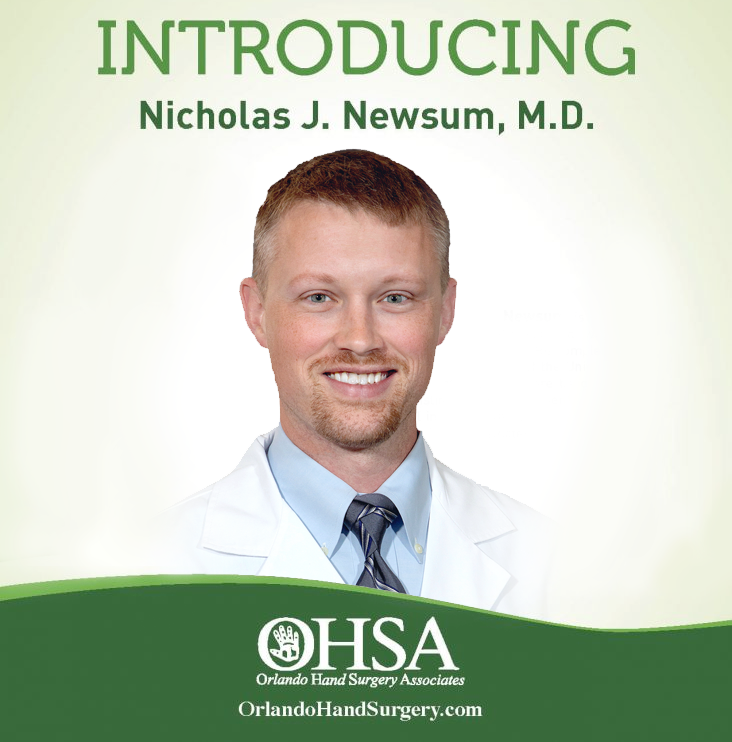

Orlando Hand Surgery Associates Welcomes Dr. Sarah Henry
May 5, 2026
PRP for Skin Rejuvenation: The Secret to Youthful Skin
June 10, 2026
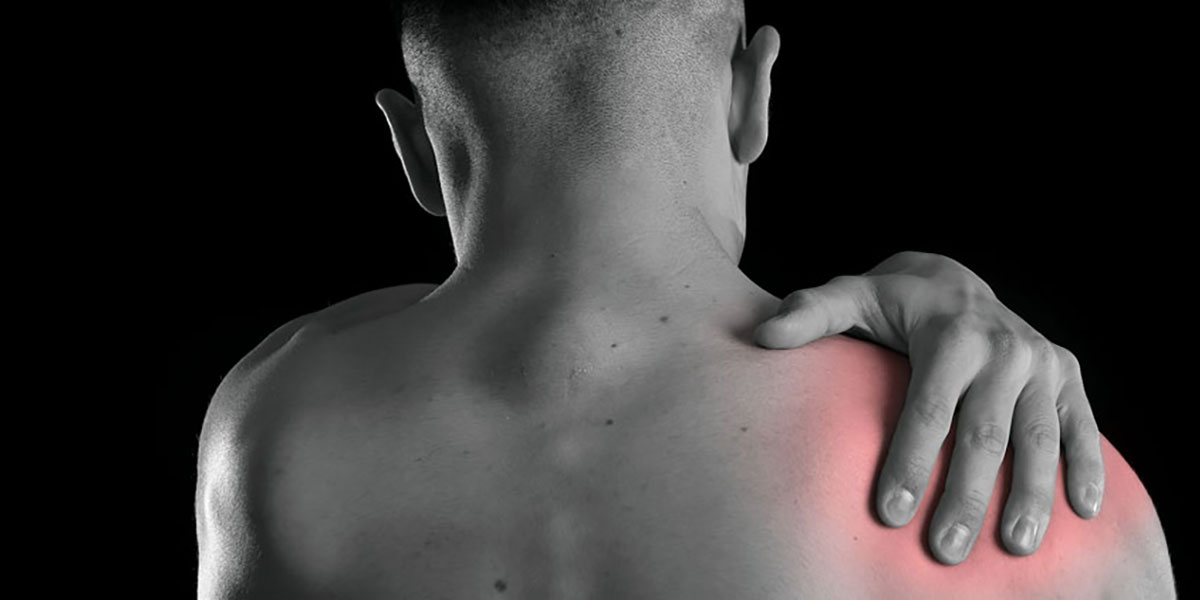
Effective Shoulder Treatment Options
Living with shoulder pain can make simple daily activities feel difficult. Whether it’s reaching for a coffee mug or getting dressed, shoulder discomfort affects every part of your life. It becomes hard to move freely and do things you usually do, which impacts both your work and overall well-being.
Finding effective shoulder treatment is crucial for anyone dealing with shoulder pain or mobility issues. At Orlando Hand Surgery Associates, we understand the frustration and limitations that shoulder problems create. Our approach combines traditional treatments with advanced therapeutic techniques to address a wide range of conditions. This guide walks through the major treatment pathways available, from conservative first-line options to surgical interventions, so you can better understand what recovery might look like for your specific situation.
Understanding Shoulder Pain
The shoulder is one of the most complex joints in the body, which makes it vulnerable to injury and degeneration in a variety of ways. Understanding what’s causing your pain is the first step toward finding the right treatment.
Acute Injuries
Acute shoulder injuries tend to happen suddenly and are often the result of sports trauma, falls, accidents, or improper lifting. Athletes in high-impact or overhead sports like baseball, tennis, and swimming are especially susceptible. A fall on an outstretched hand or direct impact to the shoulder area can result in fractures, dislocations, or rotator cuff damage. Even a single moment of overexertion during physical activity can strain the muscles and ligaments that hold the joint together.
Degenerative Conditions
Degenerative shoulder conditions develop over time rather than from a single incident. Osteoarthritis is among the most common, caused by the gradual breakdown of cartilage that results in pain, stiffness, and reduced range of motion. Rheumatoid arthritis follows a different path, driven by the immune system attacking joint tissue and causing chronic inflammation and swelling. Bone spurs, which form in response to joint instability or arthritis, can create additional friction and further limit shoulder movement.
Soft Tissue Problems
Many shoulder complaints originate in the soft tissues surrounding the joint. Tendinitis refers to inflammation of the tendons, most commonly those of the rotator cuff, and causes pain and weakness that worsens with activity. Bursitis involves inflammation of the bursa, the small fluid-filled sac that cushions the joint, leading to pain and swelling that flares up with movement. Muscle strains and ligament sprains round out this category, typically caused by overuse or awkward movement patterns.
Recognizing Common Shoulder Conditions
Rotator cuff tears are one of the most frequently diagnosed shoulder conditions. They cause weakness during arm movement, difficulty raising the arm overhead, and pain that is often worse at night. Frozen shoulder, or adhesive capsulitis, presents differently: it develops gradually over time, progressing through stages of increasing stiffness until routine tasks like dressing or reaching behind your back become nearly impossible. Shoulder impingement syndrome causes sharp or aching pain when lifting the arm, combined with weakness and limited overhead function.
The specific symptoms you experience, whether sharp and sudden or dull and persistent, help your physician determine which condition is at the root of your discomfort and which treatment path makes the most sense.
Non-Invasive Treatment Options
Non-invasive treatments are the appropriate starting point for most shoulder conditions. They prioritize natural healing, targeted strengthening, and inflammation control without the need for surgery.
Physical Therapy
Physical therapy is a cornerstone of shoulder rehabilitation. A licensed physical therapist will design a program specific to your condition and goals, combining hands-on treatment with guided exercises that reduce pain and restore function. Treatment typically includes range-of-motion work such as pendulum swings, wall climbs, and cross-body reaches alongside strengthening exercises for the rotator cuff and scapular stabilizers. Manual therapy techniques, including joint mobilization and soft tissue massage, address restriction and tension in the surrounding structures.
Most patients begin to see meaningful improvement within six to eight weeks of consistent therapy. Your therapist will also provide a home exercise program and guidance on activity modification, proper posture, and when to use ice or heat. The success of physical therapy depends largely on consistency, both in clinic sessions and in following through with home exercises between visits.
Shoulder Injections
When pain persists despite physical therapy or becomes severe enough to interfere with daily function, shoulder injections offer an effective path to relief. Corticosteroid injections reduce inflammation directly in the joint and can provide relief lasting several months, making them particularly useful for frozen shoulder and rotator cuff tendinitis. Hyaluronic acid injections lubricate the joint and are most beneficial for arthritis-related pain. Local anesthetic injections can both provide immediate relief and help confirm the source of pain when the diagnosis is uncertain.
Injections are typically considered when pain has lasted longer than four to six weeks, when inflammation is limiting participation in rehabilitation, or when acute flare-ups need to be managed while other treatments take effect. The procedure is performed in-office with ultrasound guidance to ensure accurate delivery.
Advanced Treatment Options for Severe Cases
For patients whose shoulder pain does not respond adequately to conservative care, more advanced interventions are available. These approaches target complex or chronic conditions using regenerative medicine and surgical techniques.
PRP Therapy
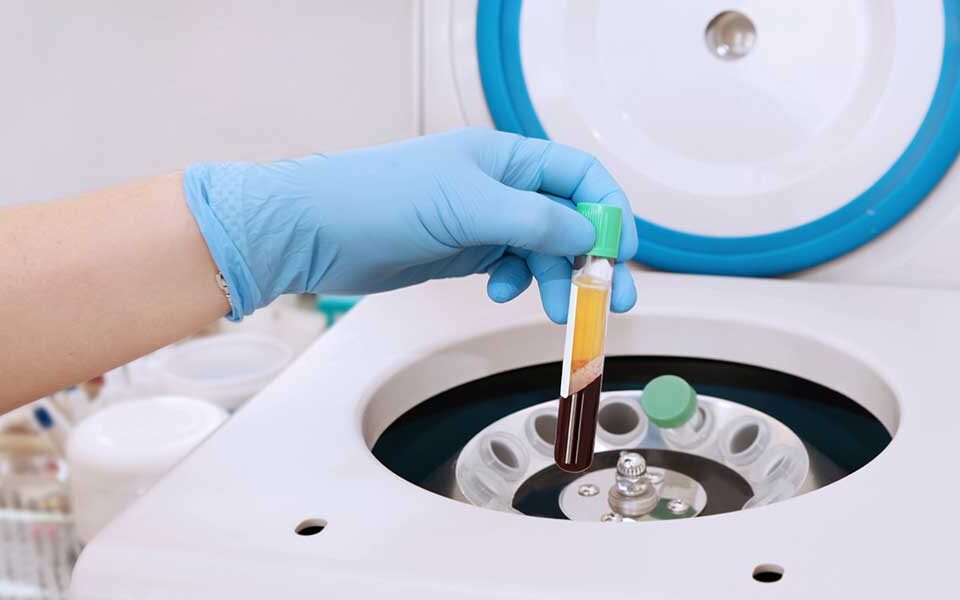
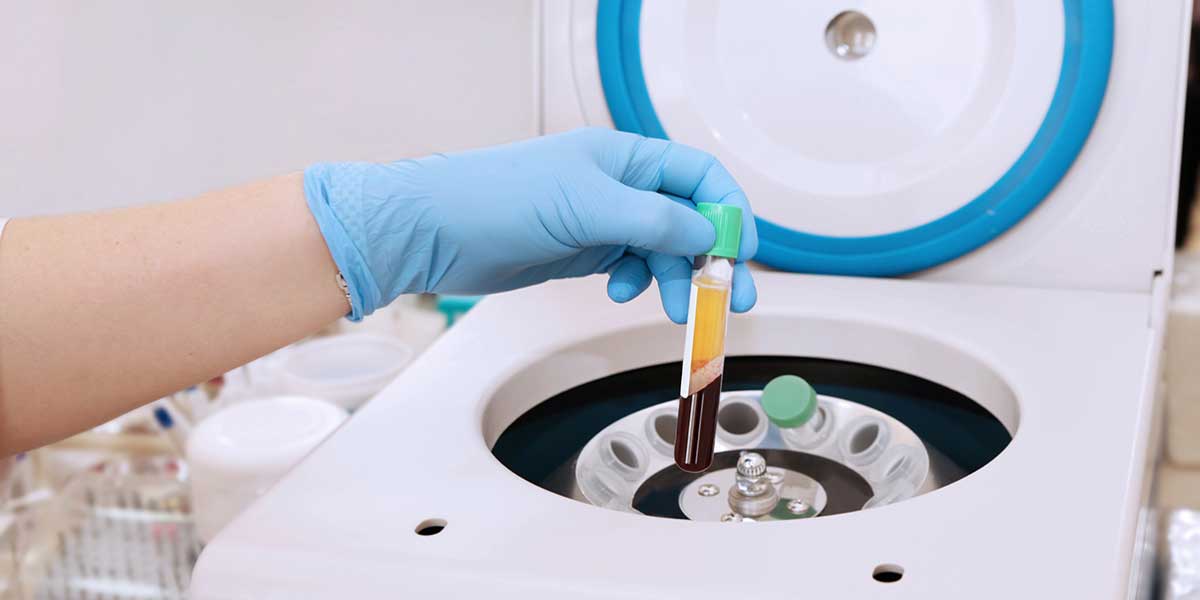
Platelet-Rich Plasma (PRP) therapy is a regenerative treatment that uses your body’s own healing mechanisms to repair damaged tissue. A small sample of your blood is drawn and processed to concentrate the platelets, which contain growth factors that accelerate cellular repair. The resulting solution is then injected into the affected area under ultrasound guidance.
PRP therapy is particularly well-suited for patients with chronic shoulder pain that has not responded to conventional treatment, partial rotator cuff tears, shoulder tendinitis, or early-stage arthritis. It works best when combined with physical therapy and proper rehabilitation. Treatment typically involves multiple sessions spaced several weeks apart, and most patients experience gradual improvement as the regenerative process unfolds. Because PRP is derived from your own blood, the risk of adverse reactions is minimal.
Surgical Interventions
Surgery becomes the appropriate choice when conservative treatments have been exhausted and shoulder function remains significantly compromised. At Orlando Hand Surgery Associates, our surgeons offer several procedures tailored to specific diagnoses.
Shoulder arthroscopy is a minimally invasive procedure performed through small incisions using a camera to guide precise repair. It is well suited for rotator cuff tears, shoulder impingement, and the removal of bone spurs. For patients with severe arthritis, total shoulder replacement replaces the damaged joint surfaces with prosthetic components that restore natural movement and substantially reduce pain. In cases involving rotator cuff tear arthropathy, where the rotator cuff is no longer functional, reverse total shoulder replacement switches the orientation of the ball and socket, allowing the deltoid muscle to take over as the primary mover of the arm.
The most appropriate surgical approach depends on your age, activity level, the extent of joint damage, prior treatment history, and your recovery goals. Post-surgical rehabilitation is critical to a successful outcome, typically beginning with gentle range-of-motion exercises in the first weeks and progressing to strengthening as healing advances.
Lifestyle Changes and Preventive Strategies
Whether you are recovering from an injury or working to prevent one, adjusting everyday habits plays a meaningful role in shoulder health. Many common sources of shoulder strain can be reduced through relatively simple changes.
Ergonomic and Daily Activity Adjustments
At work, positioning your computer screen at eye level reduces unnecessary strain on the neck and shoulders. Using ergonomic office equipment, adjusting your desk and chair to maintain neutral positioning, and avoiding cradling a phone between your shoulder and ear all help prevent the buildup of tension that leads to overuse injuries. Taking short breaks during repetitive tasks gives the shoulder tissues time to recover. At home, keeping frequently used items at waist level, using a step stool instead of reaching overhead, and sliding heavy objects rather than lifting them are practical strategies that reduce load on the shoulder joint.
Sleep Position
How you sleep can significantly affect shoulder pain. Sleeping on your back with a small pillow supporting the affected shoulder is generally the most protective position. Cervical pillows can help maintain proper neck and shoulder alignment throughout the night. If you prefer sleeping on your side, placing a pillow under your arm reduces pressure on the shoulder joint. Sleeping directly on the injured shoulder should be avoided, as it can aggravate inflammation and disrupt recovery.
Exercise and Activity Modifications
Continuing to exercise while managing shoulder pain is possible with the right adjustments. A thorough warm-up before any physical activity prepares the joint and surrounding tissues for load. Reducing weights and repetitions, prioritizing proper form over intensity, and modifying any movements that cause pain will allow you to stay active without setting back your recovery.
Alternative Therapies
Many patients find meaningful relief through complementary therapies used alongside conventional treatment. Acupuncture stimulates specific points to reduce pain and improve circulation to affected areas. Chiropractic care addresses spinal alignment and nerve compression that may contribute to shoulder symptoms. Massage therapy reduces muscle tension, promotes circulation, and helps break down scar tissue around the joint. Mind-body practices such as yoga adapted for shoulder conditions, Tai Chi, and mindfulness techniques can also support pain management and reduce the tension that often accompanies chronic discomfort. These approaches work best as part of a broader treatment plan rather than as standalone solutions.
Taking the Next Step
Finding relief from shoulder pain requires a personalized strategy built around your specific condition and goals. The specialists at Orlando Hand Surgery Associates provide thorough evaluations and develop comprehensive treatment plans that draw from the full range of available options, from physical therapy and injections to regenerative medicine and surgery.
If shoulder pain is limiting your daily activities, scheduling a consultation is the most important step you can take. Accurate diagnosis and early intervention lead to better outcomes and shorter recovery times. Contact Orlando Hand Surgery Associates today to explore your treatment options and start your path toward improved mobility and function.