
PRP for Skin Rejuvenation: The Secret to Youthful Skin
June 10, 2026
What is Carpal Tunnel Syndrome?
August 14, 2026
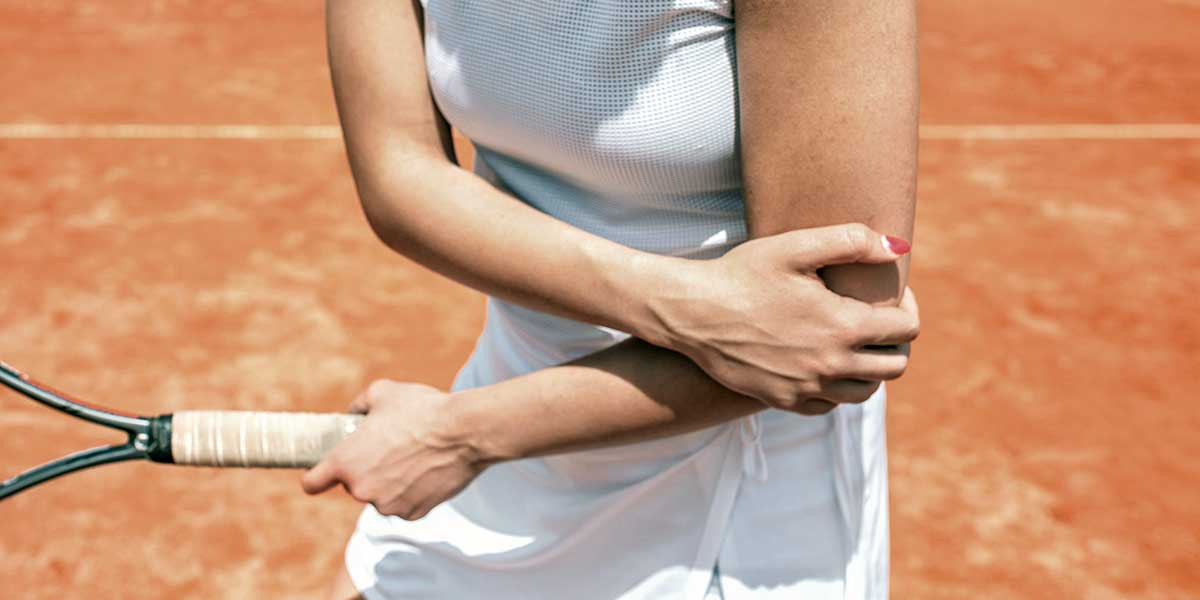
What Causes Tennis Elbow? Symptoms, Diagnosis, and Treatment
Tennis elbow is one of the most common elbow conditions treated by orthopedic specialists — and one of the most frequently misunderstood. Despite the name, most people who develop it have never picked up a racket. Understanding what’s actually happening in the elbow, how to recognize it early, and what your treatment options look like can make a significant difference in how quickly you recover.
What Is Tennis Elbow?
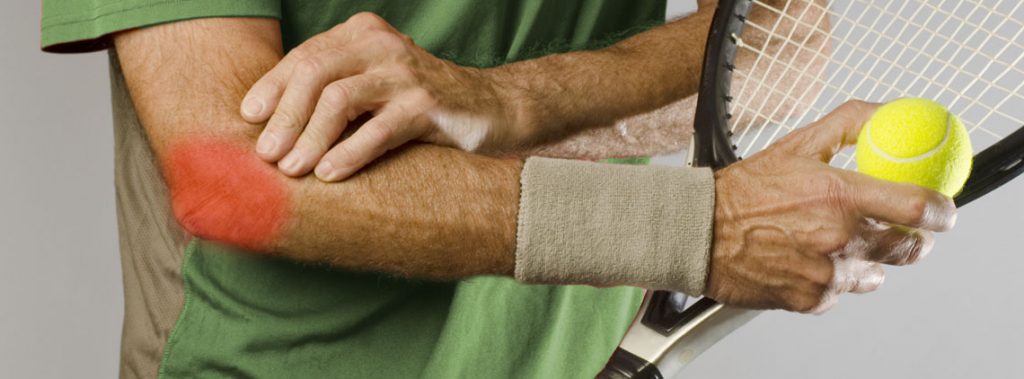
Tennis elbow, or lateral epicondylitis, is a condition involving the tendons that attach to the lateral epicondyle — the bony prominence on the outer side of your elbow. These tendons connect the forearm muscles that extend and stabilize the wrist, and when they’re subjected to repetitive stress over time, small tears develop in the tendon tissue. Left unaddressed, those micro-tears accumulate, and the tendon begins to degenerate rather than fully heal.
It’s most commonly diagnosed in adults between the ages of 40 and 60, though it can affect anyone who performs repetitive arm and wrist movements regardless of age or fitness level.
What Causes Tennis Elbow?
The root cause is cumulative overuse rather than a single traumatic event, though a sudden forceful movement — an awkward swing, an unexpected jolt — can also initiate or worsen the injury. Activities most commonly associated with tennis elbow include:
- Racket sports — Tennis, squash, and pickleball, particularly with poor technique or an ill-fitted grip
- Manual trades — Carpentry, plumbing, painting, and machine operation all involve repetitive gripping and wrist rotation
- Office work — Extended typing, mouse use, and desk work can contribute, especially without ergonomic support
- Household tasks — Knitting, gardening, and repetitive kitchen work are underappreciated triggers
The common thread is repetitive strain on the same muscle-tendon unit, day after day, without adequate recovery time.
Suggested read: What’s the Difference Between Tennis Elbow and Golfer’s Elbow?
Recognizing the Symptoms
Tennis elbow has a way of announcing itself gradually before becoming hard to ignore. The typical progression looks like this:
Early stage: A mild ache on the outer elbow that appears during or after activity, then fades with rest. Easy to dismiss as normal soreness.
Developing stage: The pain becomes more persistent. It starts showing up during ordinary activities — pouring a cup of coffee, turning a doorknob, shaking someone’s hand.
Advanced stage: Pain is present at rest and significantly limits function. Grip strength drops noticeably, and patients often report dropping objects unexpectedly.
The hallmark is tenderness directly over the lateral epicondyle. Pressing this area is typically uncomfortable, and many patients notice pain radiating down the forearm toward the wrist or, occasionally, upward toward the shoulder. This radiation pattern frequently leads people to assume the problem is a muscle strain or even a neck issue rather than localized tendon damage at the elbow.
Grip-related tasks become progressively harder: carrying grocery bags, holding a pen, squeezing a container. Even small static contractions of the forearm — holding a phone for an extended call — can trigger a flare. Morning stiffness is also common, easing with movement before returning after sustained use.
Why Accurate Diagnosis Matters
Tennis elbow shares symptoms with several other conditions, including radial tunnel syndrome, posterior interosseous nerve compression, and lateral compartment arthritis. Each of these requires a meaningfully different treatment approach. Self-diagnosing and self-treating based on an assumed diagnosis risks prolonging the problem or missing something more serious.
If your outer elbow pain has persisted for more than a few weeks, or if symptoms are getting worse despite rest, a specialist evaluation is warranted. A hand and elbow surgeon can isolate the source of pain through physical examination and, when needed, confirm the diagnosis with imaging — typically ultrasound or MRI — to rule out other pathology and assess the degree of tendon involvement.
Treatment Options
The good news is that tennis elbow responds well to treatment, especially when caught before the degeneration becomes severe. Management is stepped and individualized based on the extent of the injury and how long it’s been present.
Activity modification is typically the first step — identifying and reducing the movements that are loading the damaged tendon, giving it a chance to begin healing.
Anti-inflammatory medications and ice help manage pain and swelling in the short term, though they don’t address the underlying tendon degeneration.
Physical therapy and targeted exercises are central to long-term recovery. Eccentric strengthening exercises for the wrist extensors are well supported by evidence and are a cornerstone of conservative rehabilitation.
Counterforce bracing — wearing a forearm strap just below the elbow — reduces the load transmitted to the tendon during activity and can provide meaningful symptom relief while healing occurs.
Corticosteroid injections offer fast pain relief and are useful in moderate cases, though they’re typically limited in frequency due to potential effects on tendon integrity over time.
PRP (Platelet-Rich Plasma) therapy is an increasingly used option for patients who haven’t responded adequately to conventional conservative care. PRP uses concentrated growth factors from the patient’s own blood to stimulate healing directly at the injury site — a particularly appealing approach for tendon pathology, which has limited natural blood supply and tends to heal slowly. Orlando Hand Surgery Associates offers PRP therapy as part of a comprehensive, nonsurgical treatment pathway.
Surgery is reserved for cases where significant tendon degeneration persists after 6 to 12 months of conservative treatment. Tennis elbow surgery involves removing the damaged tissue and reattaching the healthy tendon to the bone. The surgeons at OHSA have extensive experience with this procedure and consistently achieve strong outcomes.
When to See a Specialist
Don’t wait until you can’t lift a coffee cup. Early treatment leads to faster recovery, a lower likelihood of the condition becoming chronic, and a smaller chance of needing surgery. If you’ve been dealing with outer elbow pain for more than a few weeks, or if it’s interfering with work or daily activities, it’s worth getting it properly assessed.
The physicians at Orlando Hand Surgery Associates take an individualized approach to every patient. Your treatment plan will be built around your specific condition, activity level, and recovery goals — not a one-size-fits-all protocol.
Call or text (407) 841-2100 to schedule an appointment, or request an appointment online.