
Hand Surgery Recovery Timeline: How Long It Takes & What to Do
September 11, 2026
Trigger Finger Surgery Recovery: What to Expect Week by Week
November 4, 2026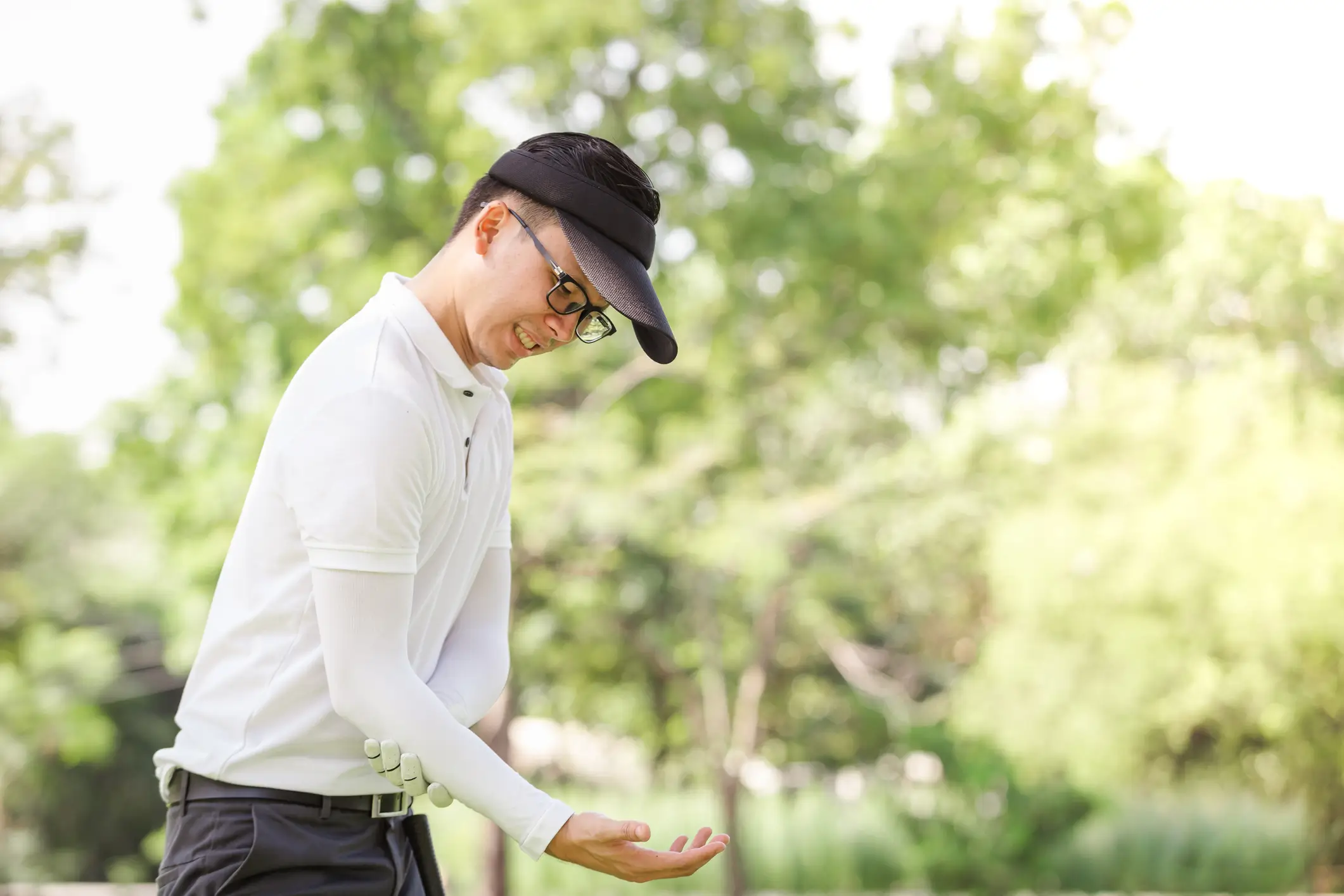
Golfer’s Elbow That Will Not Go Away: Why, and What Works
Golfer’s elbow usually settles within six months with rest and the right rehabilitation. When it does not, the reason is almost always one of three things: the tendon has moved from inflamed to degenerated, the aggravating activity never actually stopped, or the diagnosis is not golfer’s elbow at all.
Here is how to tell which one you are dealing with.
What golfer’s elbow actually is
Medial epicondylitis, the clinical name, is an overuse injury of the tendons that attach your forearm flexor muscles to the bony bump on the inside of the elbow. It causes pain on the inner elbow that worsens with gripping, lifting, shaking hands or swinging.
Despite the name, most people we treat for it have never played golf. It shows up in carpenters, mechanics, racquet players, pitchers, weightlifters and anyone whose work or sport involves repeated gripping and wrist flexion.
Why it lingers
The tendon is degenerated, not inflamed. Early on, this is an inflammatory problem and anti inflammatories help. After roughly three months the tissue changes character. The collagen becomes disorganized and the body stops treating it as an acute injury. At that stage, rest alone stops working and the tendon needs a stimulus to remodel, which is what eccentric strengthening provides.
The aggravating activity never stopped. Most people rest the elbow from sport and continue the daily gripping that caused it. If you set the clubs down but still spend the day on a keyboard, a steering wheel or a set of tools, the tendon is not resting.
It is not golfer’s elbow. Ulnar nerve irritation at the elbow, a partial tear of the flexor tendon origin, or an ulnar collateral ligament problem can all produce inner elbow pain. Each needs a different treatment, and each is a common reason that months of golfer’s elbow treatment has not worked.
What actually works
Eccentric strengthening. The single most evidence supported treatment for a stubborn flexor tendon. Done correctly and consistently for six to twelve weeks, it remodels the tendon rather than just calming it.
Activity modification, properly. Not stopping everything, but identifying and changing the specific repeated movement that loads the tendon.
Counterforce bracing. A forearm strap worn below the elbow reduces the load at the tendon origin. Useful alongside strengthening, not instead of it.
Injections. A steroid injection can break a pain cycle that is preventing you from doing the rehabilitation, though it does not fix the tendon and repeated injections are not advisable. Platelet rich plasma is an option in degenerated tendons that have not responded to a proper rehabilitation program.
Hand and upper extremity therapy. A therapist who treats elbows regularly will correct the technique errors that make home programs fail.
When surgery is worth considering
Surgery becomes reasonable after six to twelve months of genuinely consistent non surgical treatment, when pain still limits work, sport or sleep.
The procedure releases and debrides the degenerated portion of the tendon origin and repairs the healthy tissue. It is usually outpatient. Published success rates for medial epicondyle debridement sit in the range of eighty to ninety percent for appropriately selected patients, meaning patients whose diagnosis is confirmed and who have completed a real rehabilitation program first.
That qualifier matters. Most of the surgical failures we see are in patients who were operated on for the wrong diagnosis.
What to do next
If your inner elbow pain has lasted more than three months, the useful next step is a proper diagnosis rather than another month of rest. That means confirming it is the flexor tendon and not the ulnar nerve or the ligament, and getting on a structured strengthening program with a clear timeline.
Our elbow and sports medicine specialists see patients at four offices across Central Florida, in Downtown Orlando, Winter Garden, Kissimmee and Deltona.